
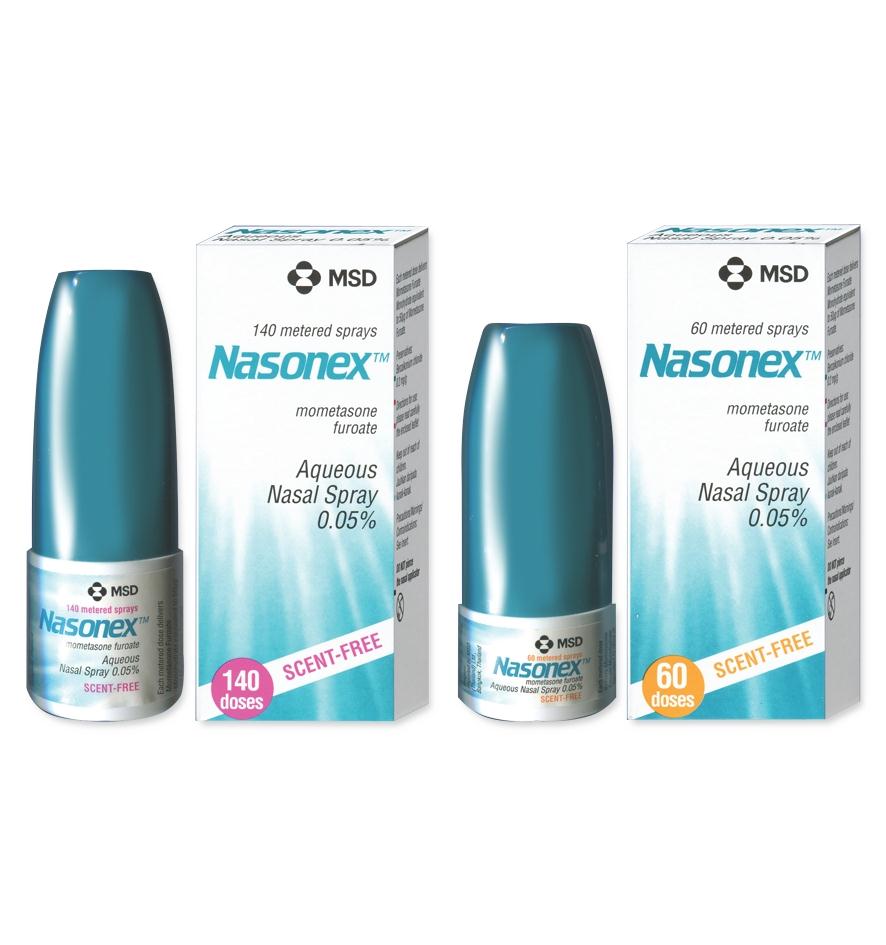
Nasonex ( Mometasone Furoate ) is a prescription drug used for the treatment of nasal polyps and general nasal/sinus irritation. Nasonex has been approved by the US Food and Drug Administration (2005) and as a result of thorough clinical trials and various degrees of post marketing research , it is generally thought to be safe […] Read more
Nasonex
Nutrition – The Best Nasal Polyps Treatment?

Sinus polyps are benign small-tissue abnormal growths located within the nasal passages of the nose. Determinants like family history and age can be important in sinus polyp growth. The polyps develop from continual sinus infections, or repeated inflammations, like allergies. Side-effects of nasal polyps can be congestion of the nasal passages, leading to breathing problems, […] Read more
Herbal Nasal Polyps Remedies

Nasal polyps are small non-cancerous abnormal growths within your nasal cavities. They can develop as a result of chronic inflammation due to sinusitis, allergies, persistent infection or asthma. Should they grow to a sufficient size, they may result in breathing difficulties and infections. Indications of sinus polyps include postnasal drip, headaches, stuffy nose, itchy eyes […] Read more
Homeopathic Nasal Polyps Remedies

Homeopathic treatments are diluted remedies meaning they are generally free of the side effects of conventional medicine. Unfortunately, it is not always clear what kind of response that they might produce in one person over another. Usually, most homeopathic remedies take about an hour to work. Should the patient see no change in their condition […] Read more
Children with Sinus Polyps

Left untreated, severe polyps in nose in children often result in ongoing sinus inflammation and pain, as well as chronic breathing problems. These polyps or growths don’t generally occur in children under the age of 10 years. When they do start forming, they typically develop in conjunction with an underlying chronic respiratory condition. Background Nasal […] Read more